

 Cart is empty
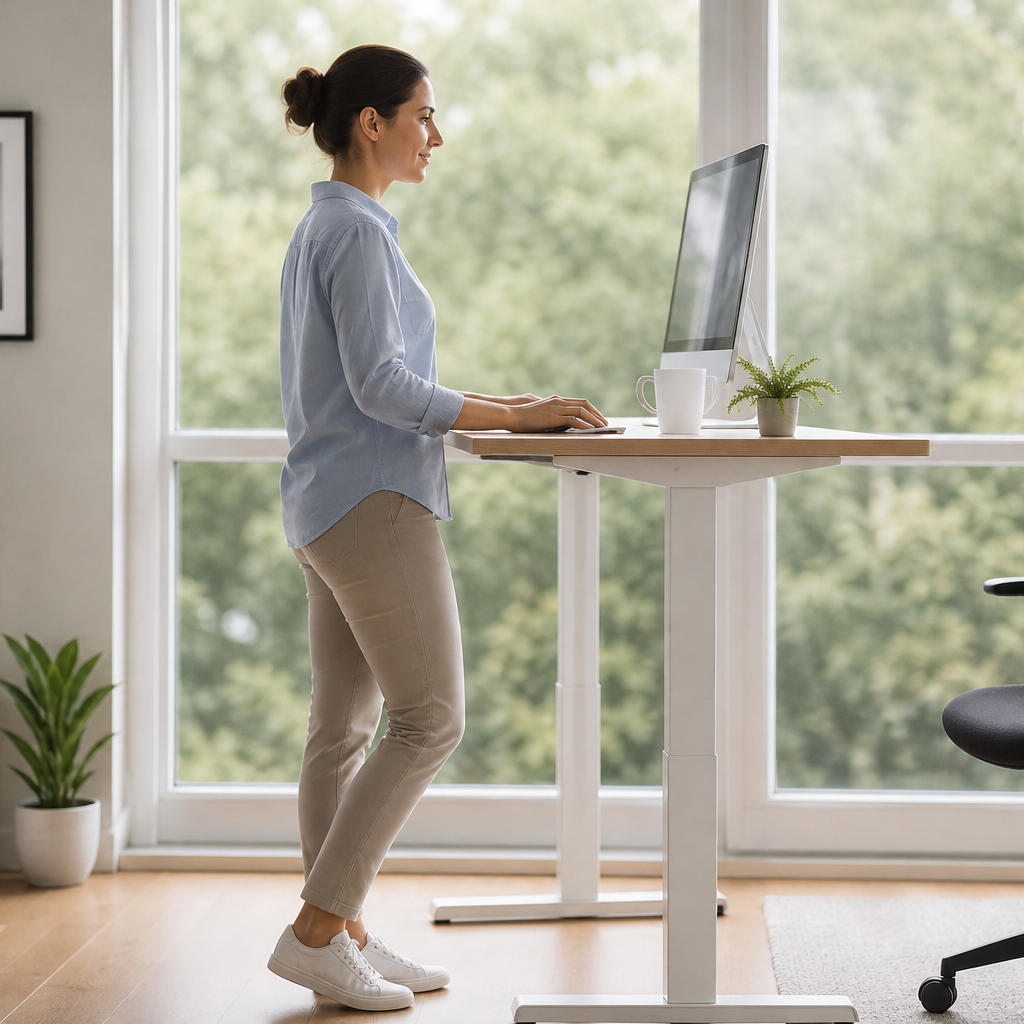
Modern lifestyles often involve spending hours sitting at a desk, working on a computer, driving, or relaxing at home. Although sitting is a normal part of everyday life, spending too much time sitting with little movement may negatively affect your long-term health.
Research suggests that replacing some sedentary time with standing and light physical activity may support cardiovascular health, improve certain metabolic markers, and help with weight management. But is standing really better for your heart than sitting?
The answer depends on how long you remain sedentary, how much you move throughout the day, and your overall lifestyle. Standing can be a useful first step toward a more active routine, but walking and other forms of physical activity offer additional benefits.
In this guide, we explore the relationship between standing and heart health, the potential benefits of reducing prolonged sitting, and practical ways to build more movement into your daily routine.
Key Takeaways
- Reducing prolonged sitting: Replacing some sitting time with standing or light movement may support better overall health.
- Supporting cardiovascular health: Regular movement helps maintain a healthy lifestyle and can contribute to cardiovascular well-being.
- Improving metabolic health: Breaking up sedentary periods with activity may help improve blood sugar regulation.
- Managing body weight: Standing burns slightly more calories than sitting, although the difference is relatively small.
- Creating healthier work habits: Alternating between sitting, standing, and walking can make your workday more active.
- Building sustainable habits: Gradual changes are generally more comfortable and practical than standing for long periods all at once.
1. How Does Standing Affect Heart Health?
Your heart and blood vessels work continuously to deliver oxygen and nutrients throughout your body. Regular physical activity supports this system, while spending long periods sitting with minimal movement can contribute to a sedentary lifestyle.
Standing engages more muscles than sitting and typically requires slightly more energy. However, standing still is not equivalent to exercising. The greatest benefit comes from reducing uninterrupted sitting and incorporating regular movement into your day.
A 2015 study published in the European Heart Journal examined the relationship between sitting, standing, and cardiometabolic health. The researchers highlighted the need for further research to understand whether standing alone provides sufficient benefits when it replaces sitting.
A later study published in the European Heart Journal in 2023 also examined how different daily activities relate to cardiovascular and metabolic health markers. Its findings reinforced the importance of considering how sitting time is replaced, rather than assuming that every alternative activity offers the same benefits.
For a healthier work routine, consider alternating between sitting, standing, and walking instead of remaining in one position for hours.
2. Potential Health Benefits of Standing More Often
Standing more frequently can be one part of a healthier daily routine. The benefits depend on your activity levels, personal health, and how you incorporate movement into your day.
Supporting Blood Sugar Regulation
Prolonged sedentary periods may negatively affect how your body regulates blood sugar. Breaking up sitting time with standing and light movement can help reduce uninterrupted inactivity.
Walking for a few minutes after meals or taking short movement breaks during the workday can be particularly useful additions to your routine.
Helping With Weight Management
Standing generally burns more calories than sitting because your body uses additional energy to maintain an upright position.
However, the difference is modest. Standing alone is unlikely to produce substantial weight loss without other lifestyle changes. A balanced diet, regular walking, and consistent physical activity remain important for managing body weight.
According to research discussed by Harvard Health Publishing, replacing some sitting time with standing may contribute to small changes in daily energy expenditure.
Encouraging More Active Habits
A standing desk can make it easier to change positions during the workday. For example, you might stand while reading documents, attending certain virtual meetings, or making phone calls.
These small changes can also serve as reminders to stretch, take walking breaks, and avoid remaining seated for extended periods.
3. Standing vs. Sitting: Understanding the Differences
Both sitting and standing have a place in a comfortable, productive workday. The main concern is spending too much time in one position without moving.
Sitting for Extended Periods
Sitting can be comfortable and appropriate for focused tasks. However, extended periods of inactivity may contribute to a sedentary lifestyle, particularly when combined with little exercise outside work.
Potential concerns associated with excessive sedentary time include:
- Lower overall daily energy expenditure.
- Less frequent muscle activity.
- Poorer metabolic health when combined with other risk factors.
- An increased risk of cardiovascular problems associated with prolonged sedentary behaviour.
These risks depend on several factors, including total activity levels, diet, sleep, and individual health.
Standing Throughout the Workday
Standing engages more muscles and uses slightly more energy than sitting. It may also make it easier to transition into other activities, such as stretching or walking.
However, standing for too long without changing position can cause foot discomfort, leg fatigue, and lower-back discomfort.
The goal is not to eliminate sitting entirely. Instead, aim for a balanced routine that includes sitting, standing, and regular movement.
4. Standing, Blood Circulation, and Cardiovascular Health
Blood circulation is essential for delivering oxygen and nutrients to your body’s tissues. Movement helps your muscles support the return of blood from the legs toward the heart.
When you sit for extended periods, your leg muscles may remain relatively inactive. Standing activates some of these muscles, but walking and ankle movements engage them more dynamically.
For this reason, alternating positions and taking short walking breaks can be more beneficial than simply standing still for hours.
If your work requires prolonged sitting, consider these practical habits:
- Get up and move around regularly.
- Take short walking breaks between tasks.
- Perform gentle ankle movements while seated.
- Avoid staying in the same position for unnecessarily long periods.
- Adjust your desk and chair to maintain a comfortable working posture.
Important: Standing should not be considered a treatment for blood clots, circulation disorders, or heart disease. If you have persistent leg swelling, unexplained pain, or other concerning symptoms, seek medical advice.
5. Can a Standing Desk Help Improve Your Health?
A standing desk can make it easier to alternate between sitting and standing without interrupting your work.
For people who spend much of the day at a computer, an adjustable desk provides flexibility to change positions throughout the day. It can be especially useful when paired with reminders to stretch, walk, and take regular breaks.
Here are some practical advantages of using a standing desk:
- Flexible working positions: Switch between sitting and standing when needed.
- More opportunities to move: Use position changes as reminders to stretch or walk.
- Improved workday awareness: Become more conscious of how long you remain sedentary.
- Customizable ergonomics: Adjust desk height to support a comfortable posture.
A standing desk is not a substitute for exercise, and research does not establish that using one alone prevents heart disease. Its value lies in helping you develop more active and comfortable workplace habits.
6. How to Transition From Sitting to Standing
If you are accustomed to sitting for most of your workday, introduce standing gradually. There is no single standing schedule that is ideal for everyone.
Start With Short Intervals
Begin by standing for short periods during suitable tasks. Increase the duration gradually according to your comfort and tolerance.
Alternate Between Sitting and Standing
Avoid replacing an entire day of sitting with an entire day of standing. Change positions regularly and listen to your body.
Take Walking Breaks
Standing is useful, but walking provides additional movement. Take a short walk between tasks, during breaks, or after meals whenever practical.
Adjust Your Desk Correctly
Position your desk so that your shoulders remain relaxed, your elbows are approximately at a right angle, and your wrists stay in a comfortable, neutral position while typing.
Keep your screen at a comfortable viewing height to reduce unnecessary neck strain.
Wear Comfortable Footwear
Supportive shoes and a comfortable floor surface can help reduce fatigue when standing. If you experience persistent discomfort, reduce your standing time and reassess your workstation setup.
7. Simple Ways to Move More During Your Workday
You do not need to stand constantly or purchase special equipment to become more active. Small, consistent changes can help reduce uninterrupted sitting.
Try incorporating these habits into your daily schedule:
- Stand during selected phone calls.
- Walk to speak with a colleague when practical.
- Take brief movement breaks between work sessions.
- Stretch gently during breaks.
- Walk for a few minutes after lunch.
- Use an adjustable standing desk if it suits your workspace and budget.
- Set reminders to change positions throughout the day.
Choose habits that fit your schedule so that you can maintain them over time.
Frequently Asked Questions
Is standing better for your heart than sitting?
Replacing some prolonged sitting with standing may support certain aspects of metabolic and cardiovascular health. However, standing alone is not a replacement for walking, exercise, or other heart-healthy habits.
Does standing burn more calories than sitting?
Yes. Standing generally uses slightly more energy than sitting, but the difference is modest. It should not be relied on as a primary weight-loss strategy.
Can a standing desk prevent heart disease?
There is not enough evidence to conclude that using a standing desk alone prevents heart disease. It may help reduce sedentary time, especially when combined with regular movement and a healthy lifestyle.
How often should I stand during the workday?
There is no universal schedule for everyone. A practical approach is to change positions regularly, take short movement breaks, and gradually develop a routine that feels comfortable.
Is standing all day healthier than sitting?
No. Prolonged standing can cause discomfort and fatigue. Alternating between sitting, standing, and walking is generally a more balanced approach.
Is walking better than standing for heart health?
Walking generally provides more physical activity than standing still because it involves more muscle movement and increases energy expenditure. Both can help you reduce sedentary time, but walking offers additional exercise benefits.
Final Thoughts: Build a More Active Workday
Standing can be a simple way to reduce prolonged sitting, but the best approach to heart health involves more than changing your posture.
By alternating between sitting and standing, taking regular walking breaks, maintaining a comfortable workstation, and incorporating physical activity into your routine, you can build healthier habits that fit your everyday life.
Whether you work from home or in an office, start with small changes and make them consistent. Over time, these habits can help create a more active, comfortable, and health-conscious working environment.
Make movement part of your workday—not just an occasional break.


Leave A Comment